
Show Me
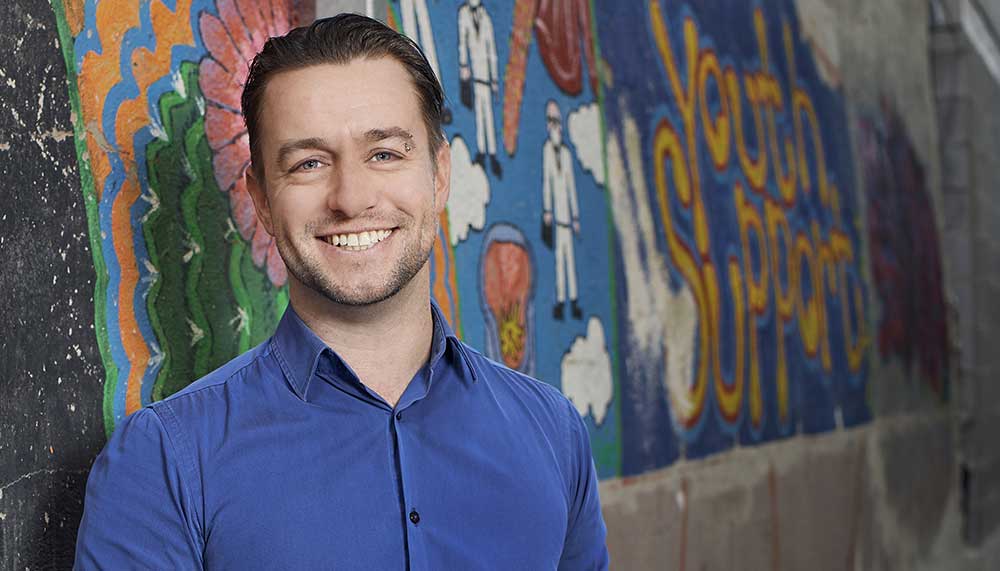
What is your name?
Douglas Russell
What is your role?
I’m a Senior Research Officer at the Institute of Child Protection Studies (ICPS) at Australian Catholic University.
What are you most proud of?
One of the key pieces of work I completed early on in my work at ICPS was developing the Safeguarding Capabilities Survey—you can read the journal article describing its creation here. The survey has been used in Australia to help organisations that work with children and young people to reflect on their policies and practices based off data from within their own organisation, from their own staff and volunteers. The survey is currently being translated into German and Spanish and I’m so proud that my work in research can help those that do the hard work of keeping children safe.
What’s the best thing about being a part of the Global Safeguarding Alliance?
I have really enjoyed getting to know the Alliance members and hearing about all the different work they do. While my work is focused almost wholly on research there are other members who work often involves facilitating workshops and supporting people in their country to be up to date on legal requirements and how to ensure they are keeping children safe according to these.
What’s a specific accomplishment you’d like to highlight?
Translating the research of Alliance members and other safeguarding researchers around the world into webinars, infographics and easy to read research summaries—with the help of the amazing ICPS communications officer Maria Battaglia—has been a real highlight of my role in the Alliance. As important as it is to conduct research and publish it, we must ensure we are making it available in appropriate ways to those people who could find the information useful.
Who do you most admire?
My father. He was always cool, calm and collected. He loved everyone for who they were, and whenever I needed advice, he would never tell me what to do, but rather guide me to decide what I felt was the best course of action. He also told me after being a ‘support person’ at a group interview for getting into my Bachelor’s degree (Primary teaching) that every fourth or fifth word out of my mouth was ‘umm’. I’m hoping it’s not as often as that anymore.
What inspired you to focus on research or practice related to safeguarding children?
A lot of work in relation to children’s wellbeing focuses on mental health. Safety is such an important part of children’s lives as they develop and interact with different people as they grow up at school, in their community, at clubs. I look forward to working towards improving children’s wellbeing as I continue to grow in my career.
What is the toughest challenge you've had at work?
I think a recent challenge has been accepting the limitations of AI. While it can be very useful for some tasks, there are definitely some aspects of our work that it just can’t do and I feel this is because we as humans have something AI for a long time won’t, and that’s emotions. Emotions underpin so much of our safeguarding work and so we must ensure we use AI appropriately. If it doesn’t understand the full context you’re speaking about—having told it absolutely everything that is relevant to a situation—then it’s likely to miss something.
What advice would you give someone just starting their career in safeguarding?
There’s lots of existing work out there and so many people with different ideas that can support you. No one is expected to know everything, and knowledge is always changing and developing. Don’t feel like you can’t ask how someone might deal with a situation or if they have specific documents or websites that might be able to help you with a problem you’re facing.
We're available 9am–5pm AEST,
Monday to Friday
If you’ve got a question, our AskACU team has you covered. You can search FAQs, email, live chat, call – whatever works for you.