The 66th World Assembly 2026 will address the global uncertainty facing teaching as a profession in times of geopolitical, environmental, and social justice and technological challenges. The World Assembly will convene a timely scholarly conversation about sustaining and reimagining the profession in these challenging times and invites researchers from around the globe to convene for this purpose.
The WA will animate research concerning the democratic purposes of education and teaching; teacher and school leader recruitment and retention; governmental intervention in the content and substance of teacher education and workload concerns; teacher knowledge in colonised contexts; resourcing for teacher professional learning; and teacher and school leader wellbeing. It aims to provide a space for sharing research and experiences for scholars at all career stages and will enable shared dialogue and opportunities to meet and engage with colleagues from diverse contexts.
Themes
The WA theme is Reclaiming the teaching profession: research-informed practice for equity and justice with sub-themes around:
- Educational policy and its impact on the teaching profession
- Teacher education, justice and equity
- Wellbeing and the teaching profession
- Internationalisation and innovation in Teacher Education
- Generative AI, digitisation and Teacher Education
- Migration, diversity, inclusion and Teacher Education
Participants will be able to join the conference in person, in Melbourne, or online for thought-provoking sessions, international collaboration, and renewed commitment to the democratic purposes of education. We look forward to welcoming you to this important global gathering.
Key Dates
Abstract submission in five rounds:
- Monday 15 December 2025, 11.45PM AEDT (outcome Wednesday 24 December) - closed
- Monday 5 January 2026, 11.45PM AEDT (outcome Monday 19 January) - closed
- Monday 2 February 2026, 11.45PM AEDT (outcome Monday 16 February) - closed
- Monday 2 March 2026, 11.45PM (outcome Tuesday 24 March 2026) - closed
- Tuesday 31 March 2026, 11.45PM (outcome Thursday 30th April 2026) - closed
Conference registration open
- Early-bird registration deadline: Thursday 14 May 2026, 11:45PM AEDT
- General registration: Friday 1 May - Sunday 31 May 2026, 11:45PM AEDT
- Late registration: Monday 1 June 2026 - onwards
Register now
Keynote Speakers
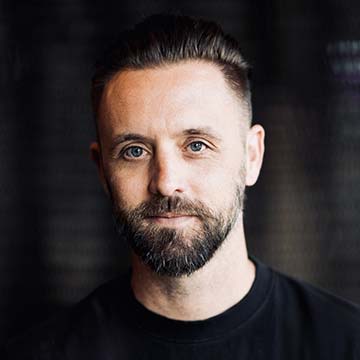
Professor Daryl Higgins
Director, Institute of Child Protection Studies, Australian Catholic University
Prof Daryl Higgins is the Director of the Institute of Child Protection Studies at Australian Catholic University. For over 30 years, his research has focused on child maltreatment prevalence, impact, and prevention. He has led national studies on child safety and contributed to policy reform, and evidence-based strategies for safeguarding and improving safety and wellbeing of children and young people.
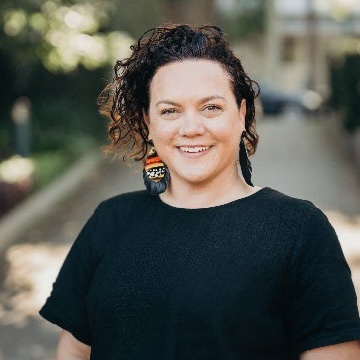
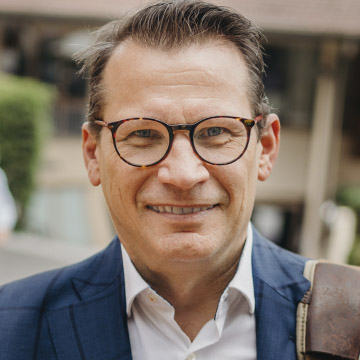
Kelly Humphrey
Pro Vice-Chancellor (Indigenous), Australian Catholic University
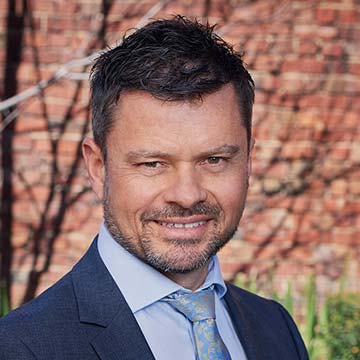
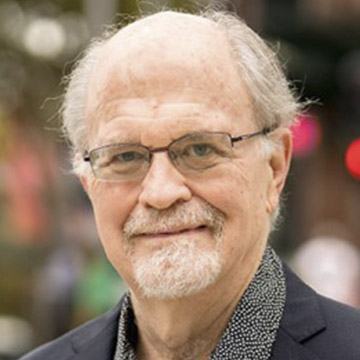
Professor Glenn Savage
Professor of Education Futures, Faculty of Education, University of Melbourne
Glenn Savage is a Professor of Education Futures at the University of Melbourne. His research sits at the intersection of education policy, strategic design and system change. He has led multiple major research grants and professional learning initiatives, including partnerships with government and non-government organisations in Australia and globally. Glenn works closely with school and system leaders to apply strategic and participatory design methods to real-world challenges and has co-designed flagship professional learning programs in Australia, including the Teaching Impact Fellowship (Victoria) and Leading Future Learning (South Australia).
Professor Maria Assunção Flores
Institute of Education, University of Minho, Portugal
System Panel Leaders
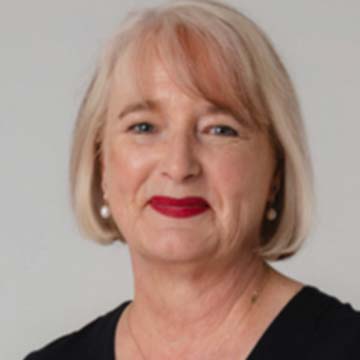
Dr Mary Oski
D.Ed, B.Ed, B.Theol, Master Ed.Leadership, Grad Dip Bus IT, Grad Dip RE, Grad Dip Comp Ed, Grad Cert in Management of Not-for-Profit Organisations, GAICD
Mary is Director of Education Excellence at Melbourne Archdiocese of Catholic Schools, with responsibility for child safety, learning and teaching, student wellbeing, learning diversity, school improvement, and regional offices. Previously, she was Executive Director of Curriculum at the Victorian Curriculum and Assessment Authority, overseeing the Victorian Curriculum, VCE, VCAL, VET studies, and VCE examinations.
Dr Oski has held senior leadership roles across Catholic education in Victoria, leading major initiatives in learning, school improvement, leadership, and principal appointments. She began her career as a secondary teacher and has extensive postgraduate qualifications across education, leadership, theology, and management. In 2019, she received the ACEL Hedley Beare Educator of the Year Award for her contribution to educational leadership.
Dr Paul Kidson
Associate Professor Paul Kidson leads Educational Leadership postgraduate courses at the Australian Catholic University. He is one of the researchers on Australia's largest and longest running principal well-being research project, the Australian Principal Occupational Health, Safety, and Well-being Survey, as well as a frequent media commentator on educational matters. He is widely sought to lead professional development for educational leaders. He has co-designed several aspiring principals and middle leadership programs in both the government and non-government sectors. Prior to his academic career, he was a school principal for over 11 years.
In addition to his academic qualifications and experience, he is a Graduate of the Australian Institute of Company Directors, a Fellow of the Institute for Managers and Leaders, and is currently President of the NSW Branch, and National Board member, of the Australian Council for Educational Leaders.
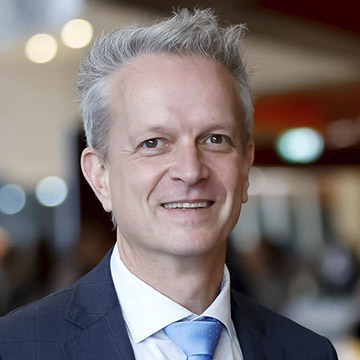
Peter Saffin GAICD
Peter commenced his career as a secondary teacher, holding leadership roles in Australia and New Zealand, working in government, independent and Catholic schools. He then moved into educational publishing, where he led teams producing award winning print and digital resources and learning platforms for Australia and internationally. Peter was Managing Director of ANZ for Macmillan Education Australia. As COO of the Victorian Academy of Teaching and Leadership, Peter leads the Academy's operational accountabilities related to the delivery of high-quality professional learning for school teachers and leaders across Victoria, including evidence and evaluation, communications, learning technology, facilities and participant support. Peter co-leads the Academy's engagement with research, including managing the Academy relationship with AERO and overseeing five current research projects being undertaken by universities and research organisations. He recently co-published a paper on measuring the impact of professional learning on student outcomes and presented at AARE 2025.
Peter has served on several education focused boards in the NFP sector and holds a Bachelor of Education (Deakin) and a Graduate Diploma in Environmental Science (Monash). He is a graduate of the Australian Institute of Company Directors (GAICD) and is a Certified Association Executive (CAE). Prior to joining the Academy, Peter was CEO of the Mathematical Association of Victoria (MAV) focusing on advocacy, governance, and operational performance. A large focus of Peter's work was on partnerships, professional learning and creating impact for the teaching profession. In 2024, Peter was made an Honorary Life Member in recognition of his contribution to the association, and mathematics education in Victoria.
Symposium Speakers
Professor Herb Marsh
Professor Herb Marsh (Australian Catholic University) is an ISI highly cited researcher and a Fellow of the Australian and British Academies of Social Sciences. With an H-index of 220+ and 850+ publications, he is ranked 1st globally in Education, 2nd in Social Sciences, and 8th in Psychology. He founded and directs the SELF Research Centre and is known for substantive-methodological synergy, integrating quantitative methods with substantive research on self-concept, teaching effectiveness, motivation, and resilience.
Call for Submissions
You are invited to submit an abstract for an individual paper, symposium or workshop for the 66th World Assembly of the International Council on Education for Teaching (ICET) in one of six sub-themes below:
- Educational policy and its impact on the teaching profession
- Teacher education, justice and equity
- Wellbeing and the teaching profession
- Internationalisation and innovation in Teacher Education
- Generative AI, digitisation and Teacher Education
- Migration, diversity, inclusion and Teacher Education
Abstract format (max. 300 words)
- Research topic/aim
- Theoretical framework
- Methods
- Findings
- Relevance to the Conference theme and specific strand
Each author can submit two abstracts maximum as the first author.
For any doubts or queries please contact us: [email protected]
Formats of presentation
Paper presentation
Paper presentations last 15 minutes, plus some time for questions. Papers will be scheduled in 90 minute sessions which will normally include 3 papers on similar themes, in exceptional cases, 4 papers may be combined.
A paper is submitted by one author plus up to 6 co-authors.
Poster presentation
A poster is submitted by one author plus up to 5 co-authors. Posters are graphical presentations which are submitted by one author plus up to 6 co-authors. Posters must be printed in A1 size (594 x841 mm/ 23.3 x33.1 in) in portrait/upright format. Poster authors should hang their poster in the room in which they will be presenting.
Workshop
A Workshop focuses on methodological topics and may involve practical activity. Workshops are submitted by one author plus up to 5 co-authors. Normally one session (90 minutes) is scheduled for a workshop and presenters will be asked to manage/chair their session.
Symposia
Symposia consist of one or two 90 minute conference sessions organised by the submitters. They include a minimum of 3 and a maximum of 5 papers (each paper has a maximum of 6 authors) per session plus a Chairperson and a Discussant.
Travel to Australia FAQs
Traveller Information
Melbourne stands on the ancient grounds of the Kulin Nation of the Wurundjeri people. For the Kulin Nation, Melbourne has always been an important meeting place for events of social, educational, sporting and cultural significance.
Visas
All passport holders (except Australian or New Zealand) must apply for a visa before leaving home. You can apply for a range of visas, including tourist visas and working holiday visas, at your nearest Australian Consulate. You can also apply for certain types of visas online.
To find the most suitable visa, check eligibility, or find out about visa extensions, visit the Department of Home Affairs website.
Getting to Melbourne
Getting to Melbourne is simple, with direct flights arriving at two main airports:
- Melbourne Airport at Tullamarine (MEL) is 22km (14mi) from the city and services both international and domestic arrivals.
- Avalon Airport (AVV) is 55km (34mi) from the city and services domestic and select international flights.
Transport options from both airports to the city include:
- SkyBus - Offers frequent express services to Southern Cross Station in Melbourne's CBD. Approximate journey time is 30-45 minutes from Tullamarine and 50-60 minutes from Avalon. Free Wi-Fi is available onboard, and no booking is required.
- Taxi or rideshare (Uber, DiDi, etc.) - Travel time is approximately 30-40 minutes from Tullamarine and 50-70 minutes from Avalon, depending on traffic.
- Hire cars - Available from both airports for flexible travel at your own pace. Travel time will vary depending on route and time of day.
Getting around is just as easy as finding a great cup of coffee in Melbourne. The city offers clean, reliable and affordable public transport services. There is even a free City Circle tram line with historical commentary.
Currency and Foreign Exchange
Australia has a decimal system with 100 cents to the dollar ($AUD). Coins have values of 5, 10, 20 and 50 cents, $1 and $2 dollars. Notes have values of $5, $10, $20, $50, and $100 AUD.
Major city bank branches can exchange foreign currency. Foreign currency exchange bureaus are also available at the airport and in Melbourne's central business district. ATMs (automatic teller machines) are widely available in the city and regional areas.
Tipping is not customary in Australia and is at your discretion.
For more information on currency and goods & services taxes click here
Climate and Weather
Despite having four distinct seasons, Melbourne's weather is known for being a bit unpredictable. Summers (December - February) are generally warm and winters (June - August) cold, but just ask a local and they'll tell you that it's not uncommon to experience all four seasons in a single day!
In winter, average temperatures range from 6.5 - 14.2°C (43.7 - 57.6°F), and snow falls in the north-east of Victoria, known as High Country. The weather is frequently cold and cloudy, and nights can be accompanied by frosts. Heavy rain is rare at this time of year. For more information visit the Tourism Australia website.
Electricity and Voltage
In Australia the power plugs and sockets are of type I. The standard voltage is 230 V and the frequency is 50 Hz.